
Today, we’re going to walk you through the yearly plumbing maintenance checklist. These are things you’re usually checking to make sure you don’t get yourself in trouble that you’re going to have to pay out of your pocket.
1. Inspect for Leaks
Now, this is really one that you should be doing all the time. This does not just mean a leak like water spraying somewhere. If you’ve got a faucet dripping, a tub dripping, a toilet running, or hose bibs dripping outside, this is costing you money. If you’re losing money like that, it’s just going to keep adding up. And some of these leaks can actually cause problems.
So every now and then, just go out and look at your meter and see if it says that any water is flowing when you know none is.
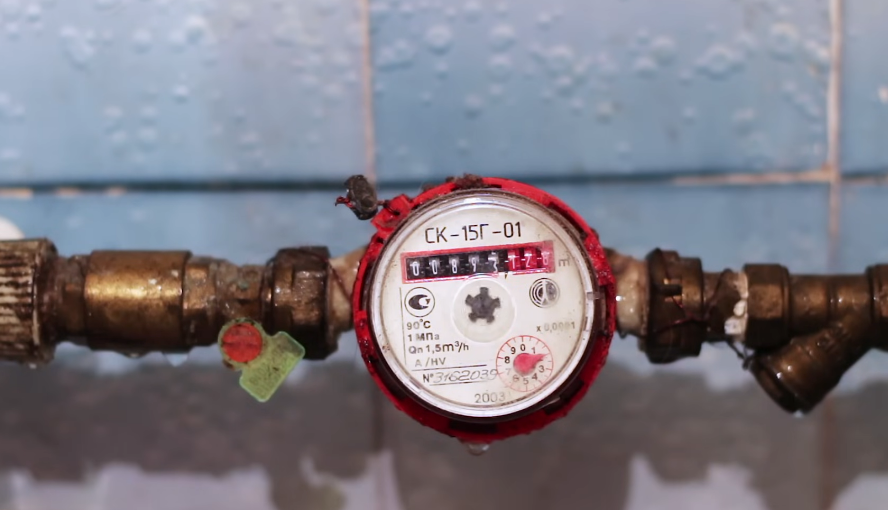
Another way you can do that is to test your water pressure. You can get a gauge at the big box store pretty easily. Go put it on your hose bib, open it up, see what your pressure is, then turn your meter off, and check if that pressure drops.
If it does, that tells you you’ve either got a leak somewhere in your house or somewhere under your house or maybe out in your yard, but it’s something that’s still costing you money, and you need to think about looking at it.
2. Clean Faucet Aerators and Showerheads
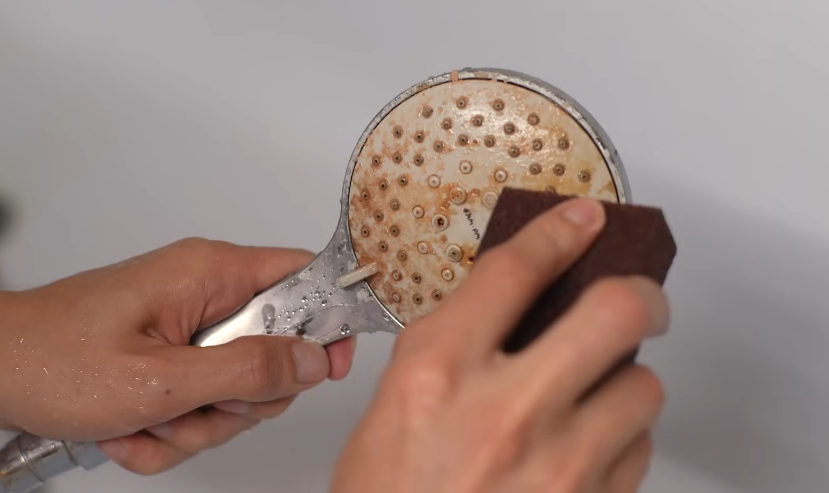
Another good one is cleaning faucet aerators and showerheads. Now, if you’ve got a wack powdery buildup, that may be telling you you need to think about treating your hard water. That’s not good for anything in your house that uses water. Your washing machine, your dishwasher, your ice maker.
Anything that has water going through it is not good for it. Including your tub and shower valves, the angle stops behind your toilets, things like that. And even the process of going through the fill valve in your toilet. This will clog that stuff up. But cleaning your faucet aerators and showerheads is going to make everything run smoother and easier as it should.
3. Check for Slow Drains
Next, check for slow drains. Now, this is something you may need to talk to your kids about, too. Especially if you have people in your home with long hair. If any of them experience a slow drain in the tub while taking a shower, that water’s just filling up.
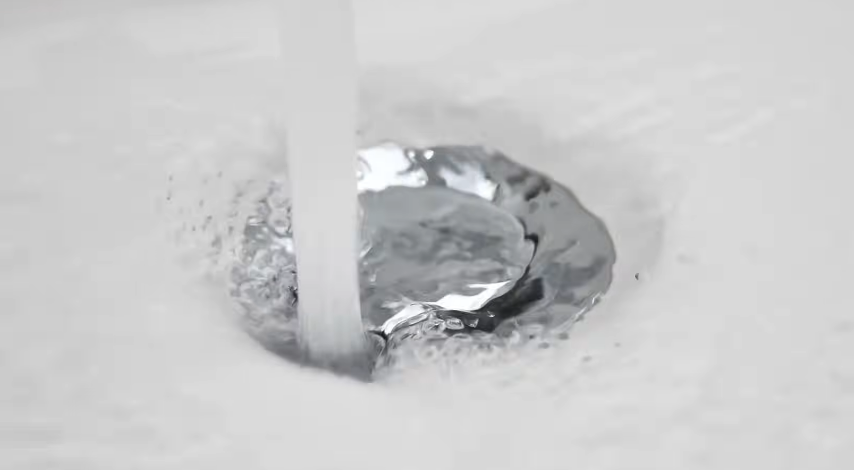
You can possibly use a plunger or maybe a hand snake and clean that out pretty easily. But remember, sometimes it can be pretty funky, so be careful about pulling all that gunk out.
4. Check Your Toilets
Checking your toilets is one of the important things to do in your yearly plumbing checklist, but you can do that in a few-month intervals as well. You can literally go to a store and get those blue dye tabs, where you put them in the tank. Then, come back in 15 minutes and see if it’s down in your bowl.
If so, that water is leaking through your flapper, through your flush valve, and that’s going to be a problem, because after doing that for a while, it’s going to kick back on to fill up your tank again. That’s costing you money. So, inspecting your toilets is something that really should be done quite often. It doesn’t take very long to do it, and it’s not very expensive to fix if you catch it early on.
5. Look for Exposed Pipes
Every now and then, and especially once a year, always look at any exposed plumbing pipes you have. Look under your sinks. Is anything dripping? Your kitchen sink, your lavatories, check it out. But taking a look at exposed pipes can let you know if you have something dripping slowly that could be ruining the bottom of your cabinets.
6. Annual Water Heater Maintenance
Next would be a water heater flush. Now, this is something that should be done annually, and you can do this in about an hour, really, with the right hose and things like that, and making sure you put it in a safe spot can be done easily. Now, another thing is if you’ve got a water heater that’s a year or two old, you probably want to get a plumber to come out and check the anode rod. Really, just get them to come out and replace it, because a new anode rod after a year or two can help extend the life of your water heater drastically.
7. Inspect Your Exterior Plumbing
Do you ever walk around the house to see if you have any hose bibs dripping, to make sure your hoses aren’t hooked up or are hooked up, whichever way you need them done?
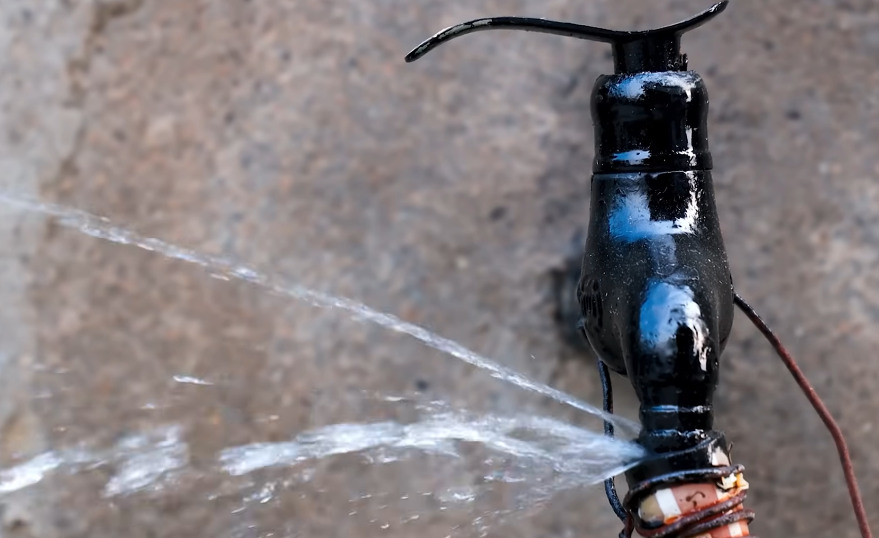
In the wintertime, you definitely want to unconnect the hoses. That way, they don’t make your frost-proof freeze up, and then you have the breaks that you have to deal with at the beginning of the spring.
8. Sump Pump Annual Maintenance
Next is a sump pump test if you’ve got them. Now, most of you don’t, but if you do have sump pumps, check them. Are they both working? If you have multiple, are they working as they should be? Checking your sump pumps on a yearly basis can be the major difference between a flooded basement, a flooded room, or anything like that, or everything working as it should. Sometimes, just a great visual inspection to make sure there’s nothing in there that could damage them or clog them is a great thing to do.
9. Check Your Main Sewer Lines
Another good one you can do every year is to check your main sewer lines. Now, you just like to pull your cleanouts every now and then just to look in and see if there’s anything in there that shouldn’t be. Do you see roots growing? Is it starting to hold water? Is there a clog out there? That’s an easy way for you to just look and see if you’re having a problem in the yard that you aren’t even aware of yet.
10. Inspect Your Water Filtration or Softener Systems
You should also inspect your water filtration or your softener systems. If you don’t have one of those, you should think about getting one. The cool thing about those is that they are 10 years maintenance-free, and it’s like drinking bottled water out of the faucet every day or taking a shower from it.
But if you do have one already, just check it. If it’s a softener, is it full of salt? If it’s a filtration system, does it look like the timer is still set? Everything is doing what it’s supposed to do. These are things that, literally just a quick inspection, will let you know everything’s okay.
11. Review Pipe Insulation
If you’ve got an insulated pipe somewhere, like you’ve got some in your attic, get up there every year and look at it. Make sure the insulation is okay, and there aren’t any problems. Doing stuff like this can help keep you from having to thaw frozen pipes later.
12. Check Your Vents
Now, this is one that most people don’t think of, but a lot of times squirrels, birds, or anything like that will get up in your vents up on your roof. This can cause sewer gas smells in the house because your vents aren’t working properly, or having the pressure sealed off like that can make it suck a P-trap dry, and that’s going to lead to sewer gas smells. So, checking your vents, if you’re ever on the roof, is a good thing to do once a year.
13. Inspect All Shut-Off Valves
Next is to inspect all your shut-off valves. You just want to make sure that when you go to a faucet and turn off the valve, it turns off.
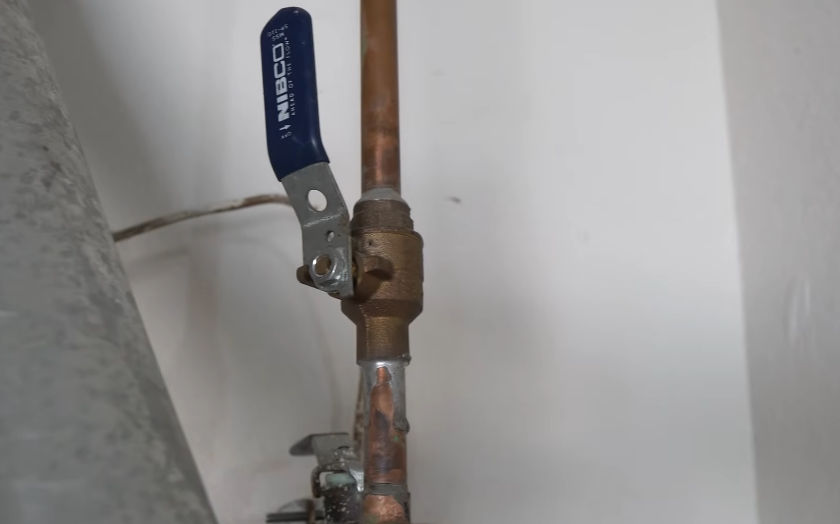
You can also do that by turning on the lavatory, turning off the angle stops underneath, and seeing if it stops the water. Now, if you’ve never done this, it may not be something you want to do right now because the washer in there could be bad. But if you’ve got a relatively new home, go through your house every year, turn the valve off, turn it on, and cycle them. It’s going to make sure that if you have a problem and you need to shut off the water, you can do it, and it’s not costing you on your water bill.
The other thing is to make sure that you can shut off the water at your water meter or in your valve box. This is one of the biggest things. And you want to make sure you teach your children, your family members, and everybody in your house how to do this. That can save you problems in the long run.
14. Washing Machine Hoses and Water Shut-Off
Most people don’t change their washing machine hoses until they back up, burst, rupture, or flood their house. Washing machine hoses are only designed to last for about 5 years, but you should change them every 3 to 4 years. This is something that really is not hard to do. Just turn off the shut-off valve behind the washer, take the pressure off the hose, replace the hose, and put it back.
Conclusion
Going through these plumbing maintenance checks once a year can save money and a lot of stress. If you don’t want to do all these things yourself, you can schedule an appointment with California Coast Plumbers to inspect and fix them all in one go to put your mind at ease.