
PVC, or polyvinyl chloride, is a form of plastic, and its use is very common these days in piping because it’s not only affordable and durable, but also resistant to corrosion. These pipes are now the norm for plumbing and a lot of other things. But did you know that there are different kinds of PVC pipes, and each one has a different use? Let’s find out.
What are the 4 Types of PVC Pipes?
1. Schedule 40 PVC Pipe
When you go to buy PVC pipe in the US, the most common type you’ll see is Schedule 40. It is a rigid, white thermoplastic pipe that you’ll see everywhere in residential DWV plumbing because it gives you a good balance of strength without being heavy. You can lift and cut it easily, and one of its biggest advantages is that it does not rust or break down the way metal pipes can.
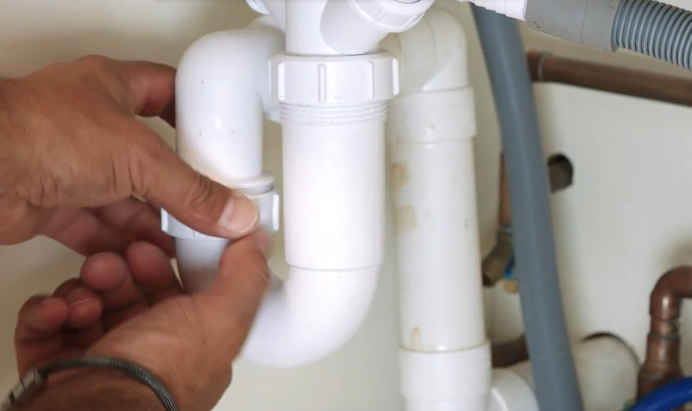
Schedule 40 PVC pipe also works well for water supply lines in homes. So if you are setting up irrigation, routing drainage, or installing basic water supply lines, this is usually the pipe you should go for.
The wall thickness is in the middle range, but it is strong enough for cold water and low water pressure systems, and is more rigid than thinner pressure pipes like SDR.
Installation is pretty easy. You can install the pipe using solvent cement, commonly referred to as PVC glue, along with compatible fittings. The cement chemically bonds the pipe and fitting together to create a sealed connection that resists corrosion and leakage.
There are limitations you need to keep in mind. You can’t use Schedule 40 PVC pipe in lines running hot water. This is because heat can weaken it, and the performance is compromised very quickly. It is also not good for long-term exposure to direct sunlight. UV rays can result in the PVC material being brittle, which makes it less durable.
2. Schedule 80 PVC Pipe
This pipe is like Schedule 40, but it’s thicker and stronger, and the number “80” here means that the wall-to-diameter ratio is higher. The thicker walls directly support higher PSI ratings, which means the structure can handle higher internal pressure and temperature and is more resistant to corrosion.
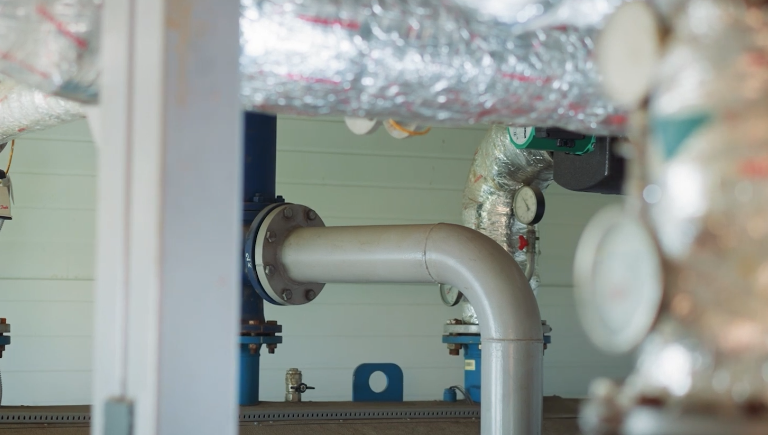
In terms of dimensions, the outer diameter of this PVC pipe looks exactly like Schedule 40. However, the wall is thicker, which reduces its inner diameter. That means the pipe maintains the same external size while sacrificing some internal flow space due to the added wall thickness.
That added wall thickness increases durability and makes the pipe more resistant to physical impact and erosion. It is built for strength and structural reliability in environments where stress levels are higher.
Because of that construction, its use is pretty useful in industrial environments where plumbing has to operate under more demanding conditions, and the standard residential PVC pipe would not be sufficient.
Schedule 80 is available in many material types, and that includes:
- Carbon steel
- Stainless steel
- Alloy steel
- Rigid PVC or CPVC.
3. CPVC
CPVC stands for chlorinated PVC, and it is specifically designed for hot water systems because one of its defining characteristics is temperature tolerance. Standard PVC is generally limited to around 140°F, which restricts it to cold-water applications. CPVC, on the other hand, can specifically handle hot water up to 200°F. That higher heat capability is what makes it suitable for full hot and cold plumbing systems.
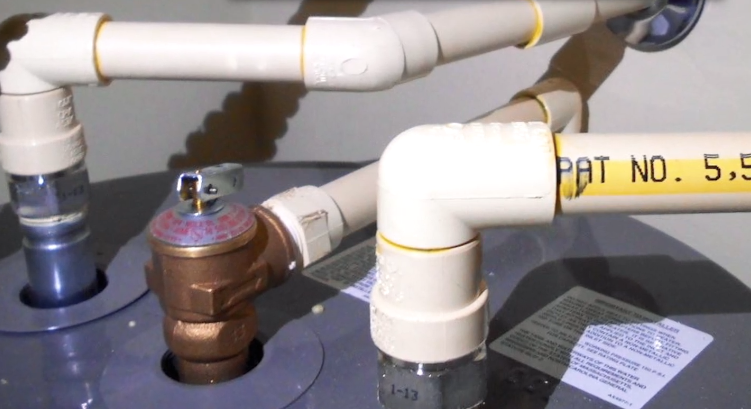
You can call it a modified form of PVC that provides higher pressure resistance, and that range up to all the way to 15 to 20 bar. The fire and corrosion resistance is impeccable in CPVC. Due to these properties, it is a cost-effective alternative to copper in residential and commercial plumbing. Apart from regular commercial plumbing, you’ll find this pipe in certain industrial liquid handling systems and in fire sprinkler systems where its heat and corrosion resistance are put to good use.
As for the material and appearance, CPVC is often cream or light gray in color, and is manufactured in CTS (Copper Tube Size). This size lets it fit the same fittings as copper pipe, which makes it easy to add to existing copper plumbing.
CPVC doesn’t leach plastic into the water supply, so it’s safe to drink.
4. DWV PVC
DWV PVC plumbing pipe is a non-pressure type of Polyvinyl Chloride piping designed specifically for Drain, Waste, and Vent systems inside commercial and residential buildings. It is not intended for water supply or pressure applications.
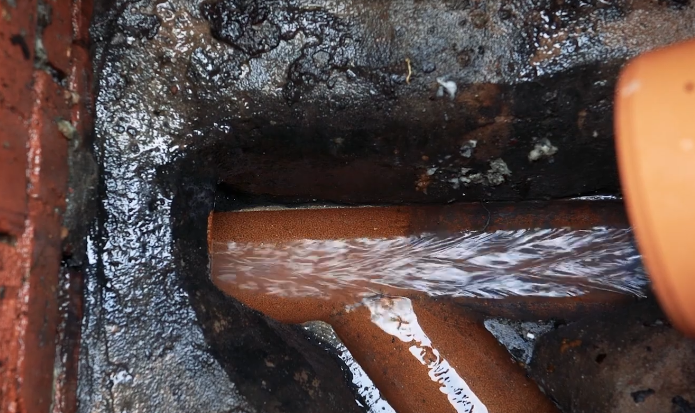
The primary function of DWV pipe is to carry wastewater from sinks, showers, washing machines, and similar fixtures, along with solid waste from toilets, away from a building and into a municipal sewer system or septic tank.
As it is done through gravity flow, the use of DMV PVC pipe is not ideal for water supply or pressure applications, like pressurized liquids or gases. This is because, compared to pressure-rated PVC like Schedule 40 or Schedule 80, DWV pipe has thinner walls and cannot withstand internal pressure stress.
The vent portion of the system allows air into the piping network to maintain proper pressure balance. This prevents a vacuum from forming inside the pipes and stops traps from being siphoned dry, which would otherwise allow sewer gases to enter the building.
The material used is unplasticized PVC, also known as PVC-U. This material is very durable and resistant to corrosion caused by soil acids and chemical contaminants commonly found in sewage. That resistance helps installations last a long time, whether they are above or below ground.
What are the Different Types of PVC Plumbing Fittings?
Now, let’s look at the different kinds of PVC fittings. These are small parts that can be taken off and are mostly used to connect pipes.
The first thing is elbow fittings.
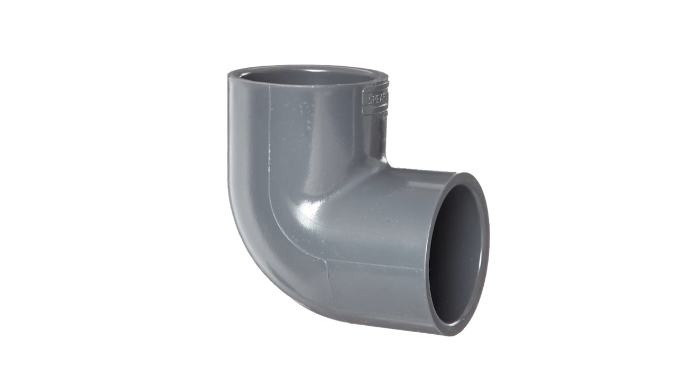
These are best to change the flow of water by 90 or 45 degrees. Plumbers often use these when they need to get pipes around tight corners or bend around things.
You can use Tee fittings when you need to connect three pipes together—two in-line pipes and one branching out at a 90-degree angle. These fittings do a good job for splitting the flow of water into two directions, and that’s why you see them often used in irrigation systems or when dealing with complicated plumbing issues.
Coupling fittings connect two pipes in a straight line. They are great for extending a run of pipe or repairing a section.
Adapter fittings are incredibly useful for connecting PVC pipes to different materials, like metal pipes or fixtures. There are male and female threaded options, as well as slip-on versions. Adapters help with transitions between materials without compromising strength or durability.
Finally, cap and plug fittings. You can use these to close off the ends of pipes for a short or long time. Caps close off the end of a pipe, while plugs are used to seal a fitting itself.
Need to Install PVC Pipes?
If you’re planning to replace your old plumbing pipes with PVC, contact California Coast Plumbers. We understand every PVC pipe out there and can do the installation with precision and reliability.