
The severity of the water damage after flooding or a burst pipe is probably hard for you to figure out. In both of these situations, one question always lurks in your mind, and it is, can you fix the whole mess? Well, this depends on a lot of factors, like how quickly you act and the scale of the damage.
We’ll answer your question in detail so that you can get an idea of what you might be able to salvage, the replacements you may need, and when you want to have some professional help.
Is It Possible to Fix Water Damage?
Water damage is fixable in most cases. People rebuild their whole houses after suffering extensive water damage from the full thrust of floods or storms, so when it’s a major leak from a burst pipe or moderate flooding, this is something you can definitely recover from. The challenge is not whether it can be fixed; it is how much work it takes and how quickly you start.
You just need to be familiar with the right steps, exercise patience, and sometimes seek professional help, depending on how bad the damage is.
If the water sat there for a short time and you caught the problem early, the fix gets easier. You need to remove the water, dry the places, clean the surfaces, and replace the things that got too soaked, like drywall, ceiling, carpet, or insulation. After that, everything goes back to normal.
In case the water has been sitting there for quite some time, or if the flooding brought dirty water into your house, like in the basement, then the repair is no small feat.
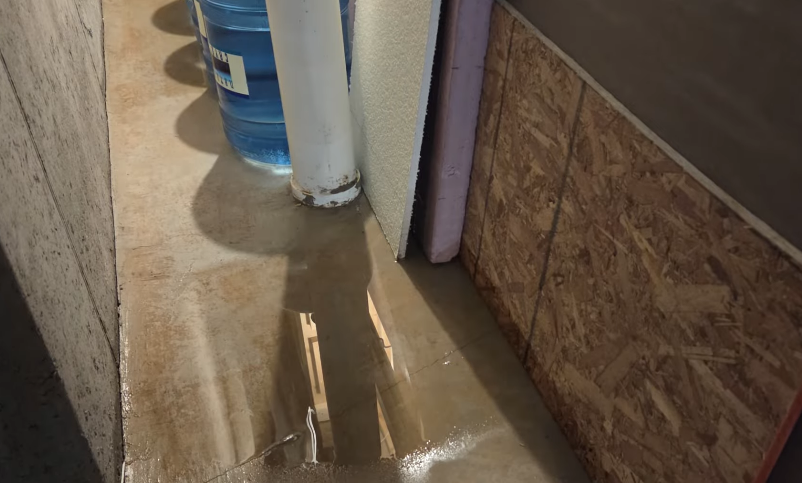
You can still fix the water damage, but you have to expect more materials to be removed and replaced. Sometimes the water sneaks behind walls or into floors, and that needs extra time to dry and treat.
You might be one of those people who confuse fixing water damage with just drying the house. The reality is otherwise because drying is only the first stage. The real fix is making sure there should be:
- Zero chance of mold growth
- No hidden dampness trapped inside
- No weakened wood
- Absolutely no damage to electrical points.
Once these things are checked and repaired, your home becomes livable again.
What to Do After Water Damage in House?
The very first moments after you discover water inside your home are always confusing. You look around, and your brain goes into panic mode because everything feels wrong. But once you take a breath, there are some things you need to do to make the space safe for you to walk around.
Turn Off Water and Electricity
The moment you see water inside your house, the first thing that actually helps is to stop anything that’s still feeding the mess. If it’s a burst pipe, turn off the main water supply, and if the flooding pushes water inside, you don’t have to wait for the level to drop; you need to keep the situation from getting worse.
And about the electricity, this is honestly just common sense. Water and electricity together are dangerous. If any outlets, wires, or appliances are near the water or submerged in it, cut off the power to that area so you can walk safely without worrying about getting shocked while checking the damage.
Be Sure of Your Safety
Now, before you venture into the area that has the most water damage, think about your own safety. Water hides things you don’t see. The floor might be slippery, or there could be something sharp or loose under it. Wear waterproof boots and gloves, and avoid stepping into standing water if there might be live electrical wiring or contamination.
Also, if kids or pets are around, you don’t want them running into the wet zone because it’s unpredictable.
Document the Damage
You may also want to take photos or videos of flooded rooms, water stains, damaged belongings, wet walls or ceilings, and the layout before you start cleaning.
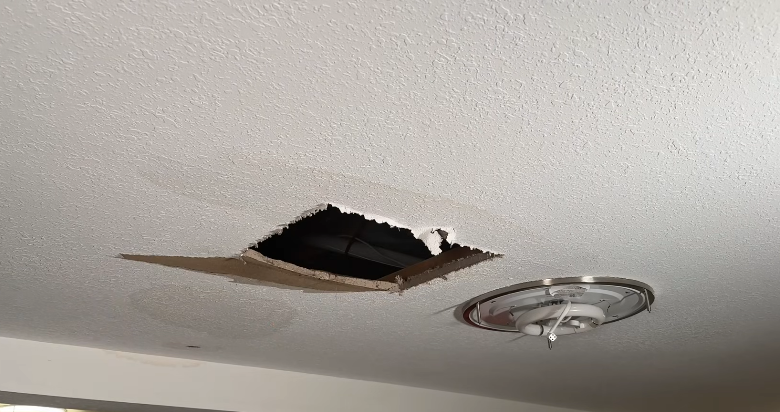
This helps if you want to check what can be salvaged, makes insurance claims easier (if you have coverage), and it’s simply a better way to track progress.
Remove Standing Water and Wet Items
Once you’ve taken a look around, the next thing that actually helps is just getting that water out of the house. You don’t have to overthink it. Anything that gets water out works. Some people start with buckets, some with towels, and if you happen to have a vacuum or pump, that makes the job easier.
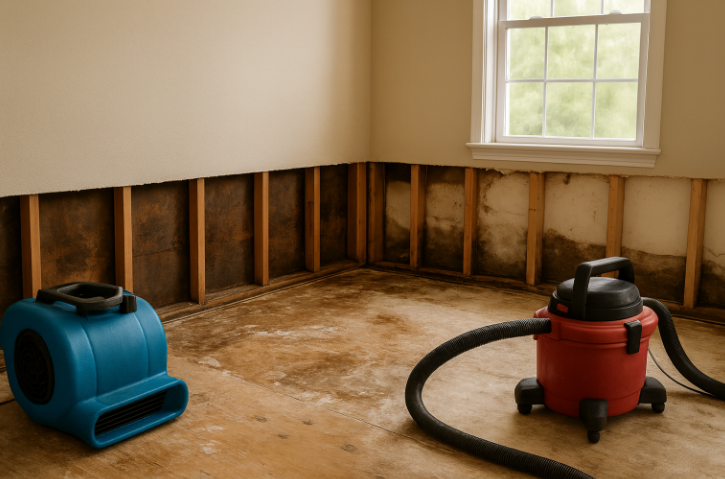
The goal here is to stop the house from sitting in that moisture any longer than it already has.
As you start getting the water out, you’ll notice how many things around you are soaked. Cushions, rugs, carpets, maybe even curtains or small furniture pieces, possibly flooring or ceilings. Just remove them and place them outside or in the dry areas of your property. This may seem drastic, but it might be necessary to prevent mold and structural problems.
Drying Out and Cleaning
After you get rid of the visible water, open all the windows and doors, if the weather permits, for good circulation so moist air can escape. You can also use a regular fan or dehumidifier to help move air faster.
Next, clean hard surfaces with soap and water, then disinfect. If floodwater is dirty (e.g., from sewage or external flood), use stronger sanitizing methods and protective gear. Porous items like fabrics, curtains, upholstery, or carpet might be harder to fully clean, so make a choice whether to keep or discard them.
What Needs to be Replaced After Water Damage from a Flood or Burst Pipe?
In minor water damage cases, you can restore your home to good enough condition. In severe cases, you might need major repairs or replacement of materials.
For example, if water contact was brief, concentrated, and you caught it early, the damage might be limited to damp surfaces or small stains. You can dry, clean, and repaint or patch up walls. Also, carpets and furniture might be saved if you remove them soon and dry them afterward.
With moderate water damage, you may need to remove and replace drywall, some flooring or underlay, baseboards, and damp insulation. After that, you must ensure everything is fully dry, well-sanitized, and structurally sound.
However, water can soak behind all of these surfaces, and even if they look dry, you might have hidden moisture that would cause wood rot or mold in a few hours or days. A moisture meter or professional inspection is your best bet here to detect that kind of hidden dampness.
Severe water damage is another story!
You can expect anything from replacing flooring, walls, ceilings, insulation, sometimes even framing or foundation, depending on seepage. You might need professionals for water extraction, mold remediation, structural repair, and sanitation, especially if the water was contaminated, like in flooding.
There’s one thing, and that’s the sewer cleanout, which you can’t ignore.
How Much Would It Cost to Fix Water Damage?
The national average cost to fix water damage is anywhere between $1000 and $5000. The reason the range is so wide is that every situation is different, from mild to severe damage.
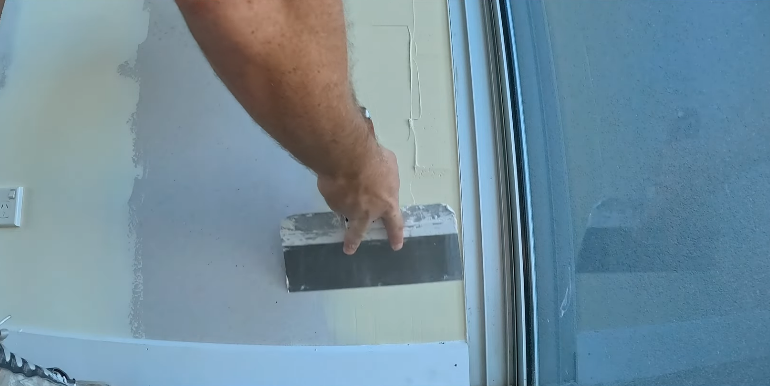
What these prices usually cover is the actual restoration part. That means removing the water, drying the place, treating anything that might grow mold, and other things that come with it, so it does not get worse. What it does not include is the reconstruction part that comes after restoration. These can be repainting, replacing drywall, fixing floors, or installing new insulation, and are charged separately.
The good news is that insurance can help in a lot of cases. Depending on what caused the water damage and the type of policy in your state, insurance might take care of a portion of the cost or sometimes even pay for the whole thing. Many people catch a break here because water damage is a common claim. So while the numbers sound stressful at first, you are not always paying everything out of your own pocket.
Need Professional Help for Water Damage? Call Us Now
When you’re dealing with water damage from a plumbing hazard or in case of a natural event like flooding, there comes a point where you shouldn’t try to handle the whole thing yourself. This is where California Coast Plumbers makes a real difference. They can figure out the true source of the damage, repair it the right way, and guide you through the replacement options at an affordable labor cost.