
So, have you moved houses or been living in the same home for quite some time now, and the water bill you get for the past few months is on the high side? If so, there are some valid reasons and also some solutions to overcome this problem.
How Much Should a Normal Water Bill Be Per Month?
A normal U.S. water bill typically falls between $40 and $80 per month, though this can vary quite a bit. When looking at national averages, most households pay somewhere between $49 and $78 per month when both water and sewer services are included together. However, if you look at just the water you get alone without the sewer charges, the average bill is on the low side, which is $39-$50 per month in most US states.
It’s important to note that location matters, too, when it comes to the cost of using water. Different cities and municipalities charge different rates based on their local infrastructure and water supply costs. For example, some areas like Indianapolis tend to have lower than average rates, with typical bills coming in around $35 per month, which is below the national average.
Other than location, several other factors affect what the final bill will be. Household size is a big factor since more people living in a home generally means more water consumption. Personal usage habits like how long showers are taken, how frequently lawns are watered, and overall daily water consumption, all contribute to the total amount of water used and therefore the final bill amount.
Why Am I Getting Charged So Much for Water?
A common concern is receiving a surprisingly high water bill. If you are not used to this, there are several potential reasons to consider.
Your Municipality’s Rates
First of all, it’s worth checking with the municipality or water provider. Maybe they charge a little bit more in the area that was moved into.
Larger House Size
The other thing is maybe it’s a bigger house. Maybe there are more bathrooms, maybe there’s more plumbing in the house. More plumbing means more water, but it shouldn’t be that much different.
Irrigation System Settings
The irrigation systems are another reason for that high water bill. Most of the houses out there today have irrigation systems that are installed by the landscapers. Now, the landscapers and the builders, when they first put that sod and that grass down, they hammer it with those watering times in those zones. They really want to keep that grass wet so it can take hold, so that it doesn’t burn up or dry out in the summer heat.
Therefore, it might be worth looking at that. If the system hasn’t ever been adjusted from the time of move-in, it might still be set on those higher levels of watering. And of course, in the wintertime when there’s a lot of rain, those things might just be turned off for a little bit. But during the summer and during the drier months and stuff, they’re going to need to run. The grass shouldn’t die until it’s really taken hold, and that could take a couple of years. But it would be good to contact the landscaper and see what their recommended watering times are throughout the year, or get them to come out and adjust it.
Tankless Water Heater Usage
A lot of people are used to the old conventional tank-style water heater with the big tanks. Now, there’s a lot of use of the tankless water heaters, and people say, “Well, tankless water heaters were supposed to be efficient.” Well, they are.
They only make water when hot water is needed or when it’s asked for. They’re not just holding a reservoir of hot water ready to go like those tanks were. If you are used to some of those older houses with conventional water heaters, you’ve run out of hot water before. Somebody took a really long shower, or somebody was washing dishes or something, and the hot water ran out. Well, there’s no fear of that with a tankless water heater. There’s always going to be endless hot water.
So what has been noticed is that people take longer showers, stand at sinks a little bit longer, and they wash the dishes a little bit longer. They just use more hot water because it’s a luxury.
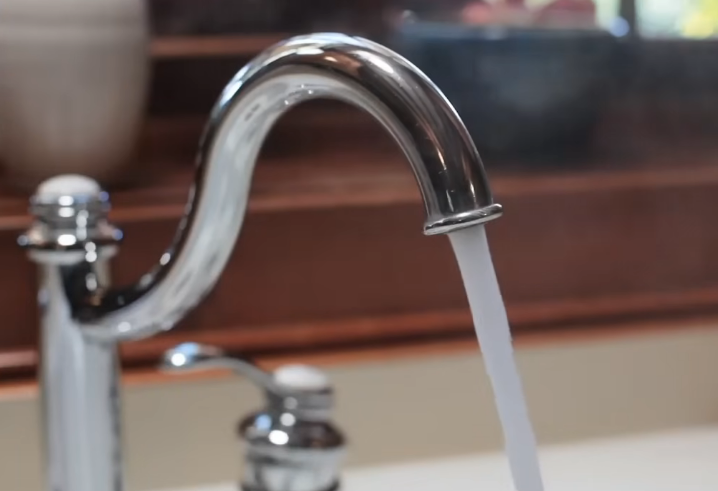
There’s no need to worry about running out. So be mindful of that. It’s just something that’s been noticed, something that’s been seen, that people tend to run those tankless units a little bit more.
Water Leaks
Other than that, there may actually be a leak. A little drip, drip, drip from faucets has been seen to equate to about 60,000 gallons of water over the course of 30 days. It can be quite substantial. There might also be hidden leaks in the pipes behind the walls or beneath the floors.
How to Tell If You Have a Water Leak?
Leaks are a major cause of water waste. In fact, when conservation staff make a house call, leaks are found about one-third of the time. If you don’t experience the telltale signs of obvious leaks like dripping, hissing, gurgling, or running water noises, the water meter is the best place to start your investigation.
1. Locate the Water Meter
The first step is locating the water meter. It is often located in front of the property, out by the sidewalk, or at the edge of the street. One good way of locating it is to find a hose bib at the front of the house. Most of the time, it’s a fairly straight line from the water meter to that hose bib.
2. Open the Meter Box
So once the meter is located, the first thing to do is open the lid. A meter hook can come in handy here. If one of those isn’t available, a screwdriver or any tool that has a hook on it can be used.
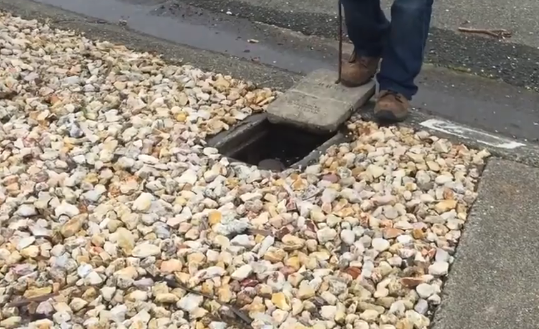
Use caution when opening the meter box because it is possible that some critters may have made a home there.
Now, before starting the test, it’s important to make sure that there’s no water being used in the house.
3. Check the Low Flow Indicator
Next, flip the lid of the meter and look for the low flow indicator. It’s this small black triangle.

Some meters have white ones, some meters have red ones. With everything off in the house, the low flow indicator should be completely still, and in case of a leak, you’ll see it spinning.
4. Check Yourself or Call a Plumber
The final step is to visibly check each area where your plumbing runs. These can be bathrooms, kitchen, laundry, basement, attic, or lawn. Check all your faucets, undersinks, toilets, water heater, and pipes. If you can’t visually see any leaks, they might be hidden under the flooring or behind a wall. In this case, a professional leak detection service is your best bet.
In both cases, you can either try to do the minor repairs yourself or call for a professional plumbing service for those leaks that are hard to find. After the problem is fixed, your water bill will become reasonable again.