
Greywater is just water that you already use for laundry, bathing, and handwashing. It looks dirty after use and literally has a grey tint. It’s not the water that comes from the toilet, diaper washing, and kitchen because that been in contact with feces or has a higher level of contamination, like in food wastes and oils. You can use a greywater system to recycle all of that greywater for different purposes.
What is a Greywater System?
In a greywater system, greywater doesn’t go to the sewer line. Instead, it is passed through a filtration unit, which removes and recycles the once-used greywater to use it as a source of water for your garden, trees, and more.
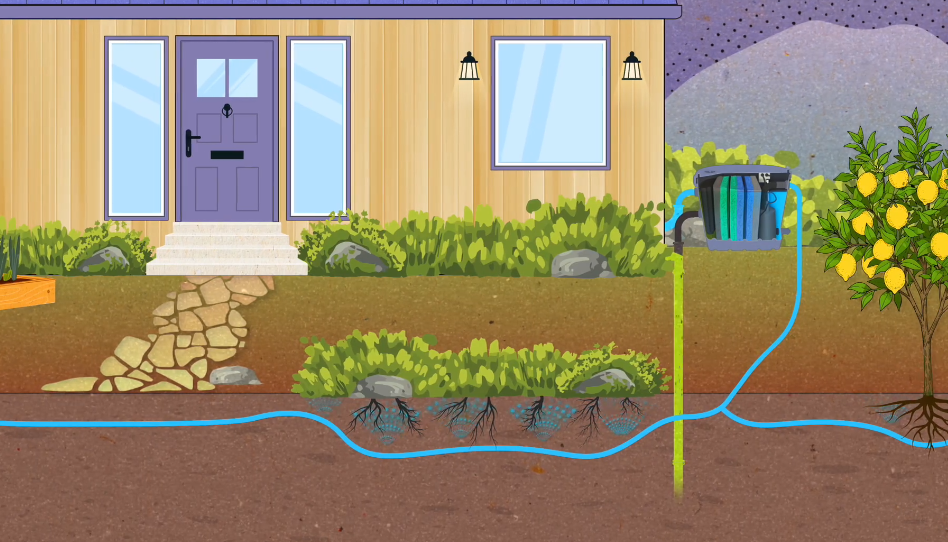
The best practice in greywater systems is that kitchen and toilet wastewater is always routed directly to the sewer.
This greywater system comes with a built-in diverter, which sends the water straight to the sewer if it detects bleach or non-biodegradable substances in it. One of the major benefits of installing it in your residential or commercial property is that you would be using the recycled water for your other outdoor chores, so you save a lot of money on your water bill.
How Much Does a Greywater System Cost?
A simple greywater system that leads from your laundry to the garden costs just $300-$600. If professionally installed, it’s about $1,500-$3,000 for materials plus labor. Whole-house or advanced systems run up to $15,000 – $20,000 or more, depending on complexity, filters, pumps, and plumbing work.
Can You Use Greywater on a Lawn?
The answer is technically yes, but it’s a highly recommended no.
The reason is that you don’t want to use greywater anywhere that people or pets, including your children or yourself, are going to interact. Lawns are meant for people and pets to enjoy.
You typically want greywater to drain out above ground into some kind of settling tank or mulch basin. Because of that, a lawn is just not a great use case for greywater.
Is Greywater Installation Possible in Slab-on-Grade Homes?
If your laundry system is close to an exterior wall, then yes, because you can route the line through the wall.
If your shower is on the first floor, then no, unless you want to jackhammer out the slab, which you probably don’t want to do unless you already have another renovation going on.
You could install it on the second floor, since that area isn’t on the slab. In that case, you could route a shower greywater system through the second floor, down through an exterior wall, and then out to another area.
For a first-floor shower or a laundry in the middle of the home, it can be a little tricky.
Can You Store Greywater?
You can’t store your greywater long-term. The reason is that even if the water is coming out of your laundry, and especially if it’s coming out of your shower, there’s bacteria in it. It’s not clean, pure water. It’s greywater.
Because of that, it’s going to go foul, putrid, oranaerobic if it sits in a tank for a long time.
There are ways to clean and process greywater for long-term storage, but the effort and cost are way more than it’s worth. You end up spending too much money, and it doesn’t make sense.
Which Soaps and Detergents are Considered Safe with Greywater Systems?
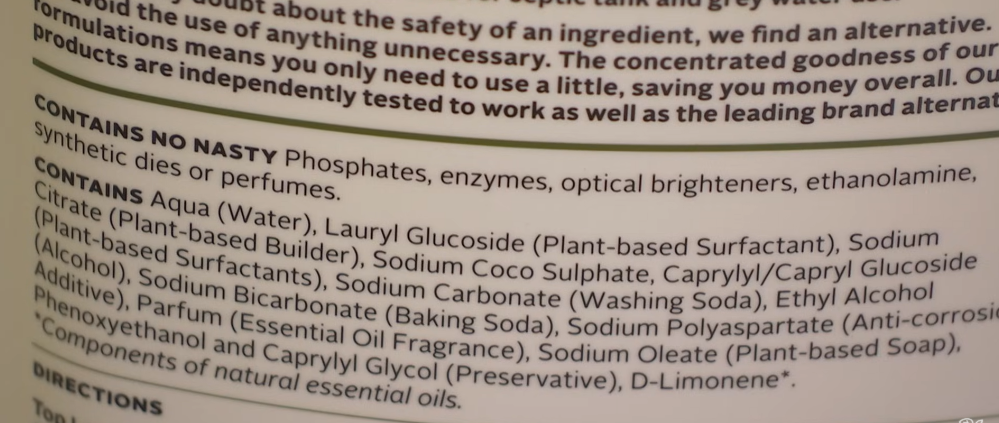
First, what do you want to avoid in any soap or detergent you use? Salts, for sure. Boron is not great either. It’s not really bad for people, but it’s not good for plant use. Plants just don’t do well with it.
Chlorine bleach is avoidable. It’s technically not the worst thing in the world, but you still want to avoid it.
Bar soaps, compared to liquid soaps, tend to change the pH much more, so bar soaps should be avoided.
Now, going through laundry detergents and soaps, use a hyper-concentrated one that tells you what it breaks down into. Then, there are soap nuts, which you can look into as well, and use with the greywater system.
For sink use, remember that the shower system also has the bathroom sink plumbed into the greywater. You can use a biocompatible all-purpose cleaner here.
When it comes to body wash or products used in the shower, anything organic is good.
Can You Use Greywater in an Irrigation System?
Yes, you can use greywater in an irrigation system like your existing drip or sprinkler setup.
But there are three main reasons why you wouldn’t want to. First, when you shower, you’ve got dirt on you. You’ve got clods and little bits of whatever, and you don’t want that going into your irrigation system. If you hooked it in, it would go straight into the lines and could clog your emitters or sprayers.
Second, you’d have to pressurize the greywater before it entered the system. Irrigation runs on a pressurized line, so that adds hassle and extra cost.
Third, at least in California, if you’re putting greywater into a sprinkler system, you can’t spray greywater into the air. It’s not recommended, and it’s against code. Because of that, you still wouldn’t want to do it, and it doesn’t make a lot of sense.
Can You Run Greywater Straight From Your Washing Machine?
Yes, the reason why greywater works with laundries especially well is that laundry washing machines already have a built-in pump. And that pump is going to push it out to wherever you’re deciding to irrigate.
You might be thinking, just use a hose, and you’d be fine.
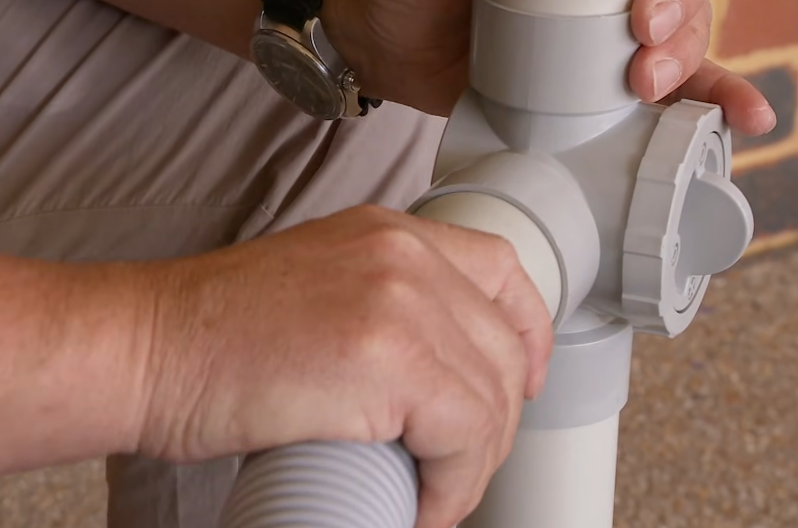
But the catch is that the pump has to be matched to the correct diameter of the pipe, which is much bigger than a standard hose.
At that point, you might as well just put in a standard greywater system.
It doesn’t even make sense to use laundry greywater in some cases. Really efficient washing machines can use around 10 to 15 gallons. So if you do one load a week, you’re looking at maybe 500 to 600 gallons a year, which you may think is not really worth the effort. Technically, financially, no, it’s not. But there are still a lot of good reasons why you might want to do.
How to Maintain Your Greywater System?
All you need to do is check the greywater system in a systematic way. You would turn the shower on and make sure it’s sending water to the greywater system. You would also make sure the trenches are dug out slightly so you can access the irrigation control valve area that’s covered.
Then you pop the tops off and make sure water is flowing out of both outlets in a relatively consistent way. Also, clean the filter as you do a pool filter.
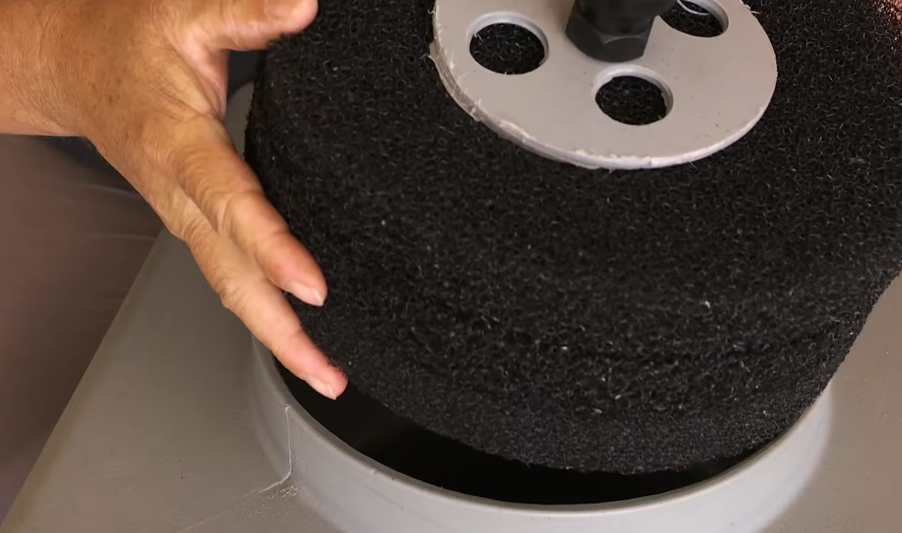
You also want to check that the water is draining within a reasonable amount of time after it comes out.
If the flow seems off, such as one side getting more water than the other, you can check the level of the pipe going out to the system. You might adjust a valve outlet to allow a little more or a little less water in one area.
That’s pretty much it.
Can You Install a Greywater System By Yourself?
Yes, you can install a basic greywater system yourself, like a simple laundry-to-landscape setup using a diverter valve and piping. There are many DIY guides that walk through planning, materials, and plumbing steps for beginners. However, local codes, permit requirements, and grants from water authorities vary by location, so check your regulations before you start.
Conclusion
So this guide was all about greywater and common questions that come to your mind with greywater systems. If you want to install one and don’t want to do it yourself, call a local plumber to do this job professionally.