
Today, you are going to bust 8 plumbing myths you need to stop believing, but if you do, this will cost you a lot of money. So, stick around to save your pipes and your wallet.
Myth 1. Flushable Wipes
The first myth is that all flushable wipes are safe for your pipes. Okay, they’re not all safe for your pipes. At least not all of them.
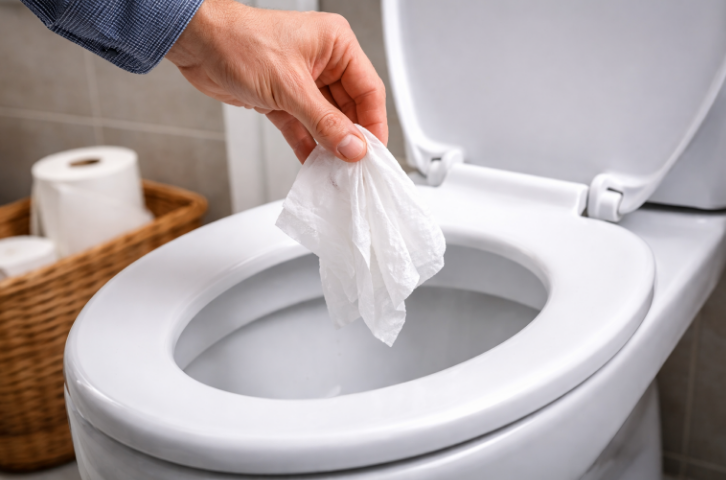
Now, these wipes don’t break down like toilet paper. They are causing massive clogs. As a test, you can compare different types of baby wipes to toilet paper.
You’ll find out that Cottonelle actually dissolved about like the toilet paper. And you know why. Because Cottonelle does not have the plastic binding fibers in it like a lot of wipes do.
Now, toilet paper actually does dissolve in minutes. But some of these wipes are still solid after hours. They get in, they create a clog, and all of a sudden, everything in the house is backing up. If you’ve got showers with a low threshold, water comes over into your bathroom floors.
Now, this doesn’t just clog up your bathroom or your sewer. It clogs up municipal sewer lines. Municipalities hate these things.
Only flush the toilet paper and human waste, and wipes that you know will dissolve like cotton. Toss everything else in the trash.
Now, this also has to do with what type of plumbing system you have. You personally have smooth PVC pipes. Nothing’s going to clog up in there.
If you’ve got cast iron and live in an older house, you may think about it and not flush anything other than paper, waste, pee, poop, stuff like that, and maybe puke if you went out on Friday or Saturday night. But don’t flush anything else.
Myth 2. Boiling Water and Dish Soap Unclog Drains
Boiling water and dish soap can unclog any drain. That’s not true.
Now, this hack sounds great, but it’s a dud for most clogs. Soap and hot water have been tested in many situations, but the thing is, it doesn’t always work. The big problem is that the hot water doesn’t always get to the hair, to the clog, to the grease, or anything like that.
Now, does it unclog it if it’s grease? Maybe. So, it could dissolve it up a little bit. But hair or soap scum? It’s not doing anything to it. On the flip side, boiling water can even crack or melt some PVC pipes.
Using a plunger, a snake, or maybe even one of those long things that have jagged edges on them to reach down in there and grab some hair and pull it out is the smart way to go.
Alternatively, if you need to, call a professional for drain cleaning if you’ve got a tough clog. It is better to save the dishwashing soap for the dishes.
Myth 3. Leaky Faucets Are No Big Deal
Well, that’s not always true. A single drip per second can waste around 3,000 gallons of water each year. That much water can add $50 to $100 to your annual water bill.
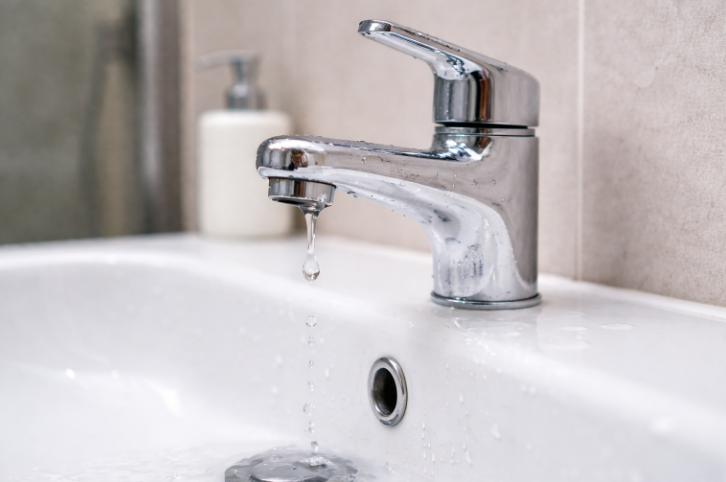
Also, leaks can signal bigger issues. Maybe you’ve got high pressure. Maybe you’ve got too much calcium and magnesium in your water. It’s also possible there’s too much chlorine in your water, and it’s eating up the rubber inside of the faucets.
Maybe a whole-house water filter might be something you need, or pressure-reducing valves.
Fixing a washer is easy for some people. But if you need to call a plumber for something like leak detection that you can’t do, the biggest tip is to make sure you shut the water off completely.
Try it at the valve underneath and then open the faucets. If it doesn’t shut it off completely, you may have to go out to the isolation valve in your front yard or go out to the meter and turn the water off there, if your municipality will allow it.
If you save water, you save money on your water bill.
Myth 4. Chemical Drain Cleaners are Your Best Bet In Clearing Clogs
Chemical drain cleaners are the best way to clear clogs. No way. These things can actually corrode the pipes and harm your health.
You’ve seen some of those articles where different drain cleaners were put with different pipes to see what some of them did. Some of these pipes were eaten away by the chemicals. Metal, PVC, ABS, any of it. It’s not good for it.
The smart way is to use a plunger or a snake. Maybe even an enzymatic cleaner. It’s got enzymes in it.
For tough jobs, again, you may have to call a plumber or go to the big box store and rent a machine so you can do it right. Don’t risk your pipes.
If you did try a drain cleaner before calling a plumber, make sure you tell them before they come in and start working. You don’t want them to get chemicals in their eyes, burn their skin, or anything like that.
Myth 5. You Can Sharpen a Garbage Disposal with Ice Cubes
A lot of people toss ice cubes into the garbage disposal, thinking they’re sharpening the blades. What the ice really does is knock loose old food scraps stuck inside the unit. It helps clean things out, but it doesn’t make the blades any sharper.
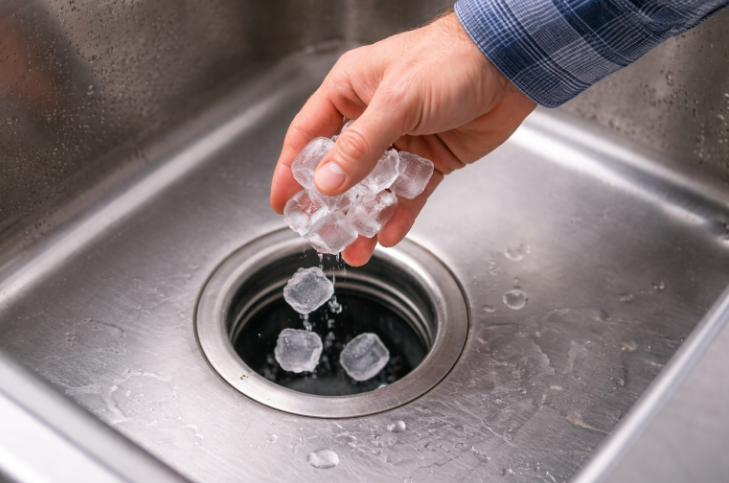
If your disposal starts lagging, sounds rough, or stops breaking food down as it used to, ice isn’t going to fix that. That’s usually a sign the unit is worn out or needs attention. Before you end up scooping yesterday’s leftovers out of the sink again, get it checked, repaired, or replaced, and save yourself the mess.
Myth 6. Plumbing Repair Is Always Expensive
Many homeowners panic the moment something goes wrong with their plumbing. A slow dripping faucet or a toilet that keeps running immediately feels like it’s about to turn into a big, expensive headache.
Most of the time, that isn’t the case. Plumbing problems start small and are affordable to repair when you deal with them early. Simple fixes like replacing a worn washer, tightening a loose part, or doing basic maintenance can solve the problem before it grows into something worse, and the price goes way up for repairs.
If you find an issue that requires professional help, get it checked early, too, and ask for an estimate instead of getting shocked with an unexpected bill later. A good plumber saves you from DIY disasters. But you’ve got to make sure that they’re licensed.
Myth 7. You can DIY Every Plumbing Issue
When you watch a few online tutorials, you’ll think the repairs are so easy, even if you’ve never touched a wrench before. It creates the idea that any issue, big or small, can be handled without professional help.
In reality, DIY your way out of plumbing has limits. You can replace a leaky showerhead or tighten a loose faucet. But, without the tools and experience, you can’t fix serious issues and cause water damage that turns a manageable problem into an expensive one. In some cases, it can also void warranties on your plumbing.
Therefore, if there is a problem with your water lines, gas lines, or hidden piping, you should always contact a licensed and reliable plumber in your area to get the job done safely and avoid bigger issues later.
Myth 8. Slow Drains Are Just Part of Living in an Older Home
People often blame slow drains on the age of their house and assume it’s something they just have to live with. That idea sounds reasonable, but it’s wrong.
A drain that empties slowly is almost always telling you something is wrong. When more than one drain starts acting up, it usually points to a clog deeper in your plumbing, often somewhere along the sewer line. That kind of problem doesn’t fix itself and usually gets worse as time passes by.
Even decades ago, plumbers knew about installing drain systems that flowed correctly. Homes built thirty, forty, or more years ago were not designed to drain slowly. No matter how old your house is, slow drains are a warning sign and should never be treated as normal.